
Mood Food: How Your Diet is Secretly Influencing Your Anxiety
- DPS Staff
- Mar 13
- 4 min read

For decades, mental health was almost exclusively concerned with the neck up. If you struggled with anxiety, you could find relief through talk therapy, cognitive behavioral therapy, or pharmaceutical interventions designed to balance your brain chemistry. Even though these pillars of recovery remain important, the wellness landscape has undergone a seismic shift toward "neck down."
Every March, we celebrate National Nutrition Month, and scientists are coming to the conclusion that your stomach may be just as responsible for your panic attacks as your brain.
Welcome to the age of nutritional psychiatry. It is becoming clear that the butterflies you feel in your stomach when you're nervous have nothing to do with metaphors -- they originate from the Gut-Brain Connection, an intricate, two-way pathway between your gastrointestinal system and your emotional center.
If you've been eating for your waistline but ignoring your mind, you may need to consider how your diet might be contributing to your anxiety.
The "Second Brain" in Your Gut
You have an enteric nervous system (ENS) hidden within your digestive system. There are more than 100 million nerve cells lining the gastrointestinal tract in the ENS, which is often referred to as the "second brain."
In addition to communicating with the big brain in your skull, the ENS does not write poetry or solve math problems. As the longest nerve in the body, the vagus nerve facilitates this communication.
Your gut produces 95% of the body's supply of serotonin, the neurotransmitter responsible for regulating sleep, appetite, and, most importantly, inhibiting mood. As a consequence of poor gut health, serotonin production falters, leaving you vulnerable to anxiety and depression.
3 Ways Your Diet is Fueling Your Anxiety
1. The blood sugar roller-coaster.
As well as counting calories, we're now counting spikes. Consuming highly processed carbohydrates or refined sugars raises your blood sugar levels. During a blood sugar crash, your brain perceives it as an emergency.
As a result, your body releases cortisol and adrenaline, the "fight-or-flight" hormones. It's not just crashing when you feel jittery two hours after a sugary snack; you're experiencing a physiological mimic of anxiety.
2. Chronic inflammation and the "leaky" mind.
Foods high in inflammation, such as trans fats, processed meats, and excessive alcohol, can cause "intestinal permeability," also known as leaky gut. Whenever your gut lining becomes compromised, toxins and undigested food particles leak into your bloodstream.
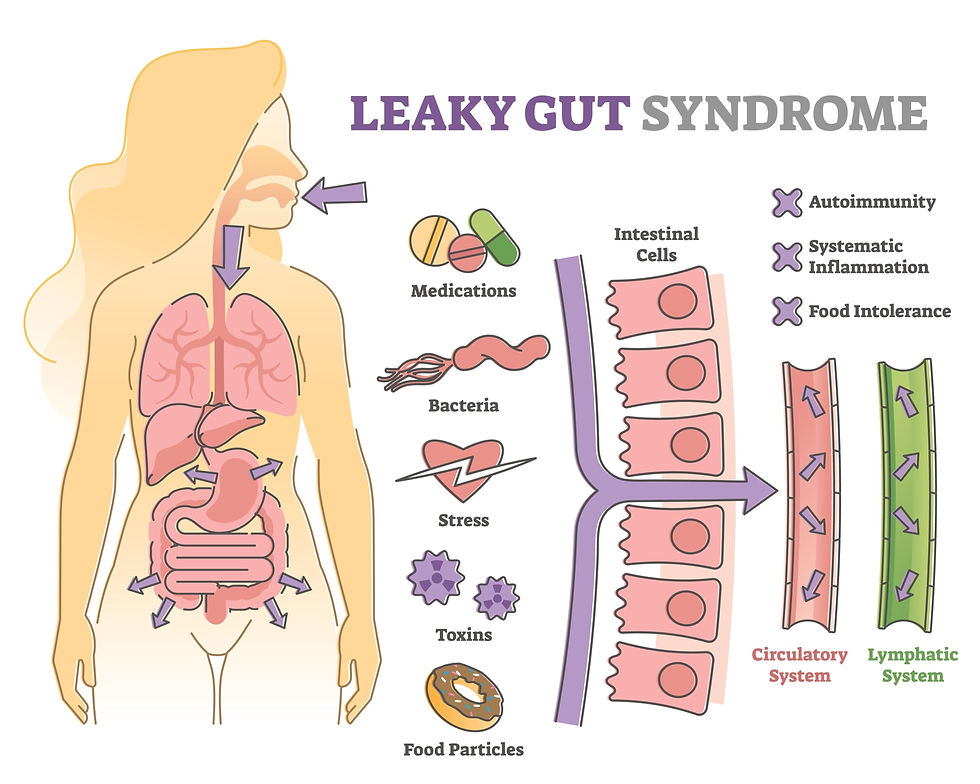
As a result, a systemic inflammatory response is triggered. Researchers have linked clinical anxiety directly to neuroinflammation. Essentially, an inflamed gut leads to an inflamed mind.
3. The microbiome imbalance.
Your gut is home to trillions of bacteria, called your microbiome. A healthy body has "good" bacteria that control the "bad" bacteria. Nevertheless, a diet high in processed additives and low in fiber can cause "bad guys" to disappear.
As "bad" bacteria take over, they produce byproducts that can cross the blood-brain barrier and interfere with your ability to cope with stress. There is evidence that patients with Generalized Anxiety Disorder (GAD) tend to have significantly lower microbial diversity than those without it.
Eating for Calm: The Anxiety-Reducing Plate
Having a calm mind depends on what you eat, so what should you eat? You don't need to be on a restrictive diet. What you need is nutritional density.
Load up on prebiotics and probiotics.
To heal the gut, you must feed the "good" bacteria.
Probiotics: Found in fermented foods like kefir, sauerkraut, kimchi, and kombucha. These introduce live, beneficial bacteria directly into your system.
Prebiotics: Found in garlic, onions, leeks, and asparagus. You need these to feed the beneficial bacteria in your gut.
Prioritize magnesium-rich foods.
Magnesium is known as "nature's relaxant" because it helps regulate the hypothalamic-pituitary-adrenal (HPA) axis, which controls your stress response. Deficiencies in the modern diet contribute to restlessness and insomnia. Make sure to consume spinach, pumpkin seeds, almonds, and dark chocolate (at least 70% cacao).
Embrace the Omega-3s.
About 60% of the brain is fat. To function properly, it requires polyunsaturated fats of high quality. The omega-3 fatty acids found in salmon, walnuts, and flaxseeds help the brain communicate more effectively.
The "Gut-Brain" Reset: 3 Steps to Take This March
This three-step reset can help you improve your mental health during National Nutrition Month:
The 80/20 whole foods rule. Consume 80% of your calories from single-ingredient foods (apples, eggs, rice, beans). As a result, the gut lining is naturally free of additives that cause irritation.
Mindful mastication. The digestive process begins in the mouth. When you eat quickly, your body stays in sympathetic (stress) mode, which slows digestion. To activate the parasympathetic (rest and digest) system, take three deep breaths before eating.
The hydration foundation. Dehydration can cause anxiety symptoms such as an increased heart rate, headache, and fatigue. You should drink enough water to help your gut remove toxins effectively.
Summary: A New Path to Peace
In order to cope with anxiety, a multifaceted approach is often necessary. However, we cannot ignore the plate in front of us any longer. Your gut health isn't just about improving your digestion; it's about bolstering your mind against modern stressors as well.
During National Nutrition Month in March, stop eating to look good and start eating to feel good.
Frequently Asked Questions
How long does it take to feel a difference in my anxiety after changing my diet?
You can stabilize your blood sugar in as little as 48 hours, but it usually takes 2 to 4 weeks to see meaningful changes in your microbiome. Shifting your baseline mood requires consistency.
Can probiotics replace my anxiety medication?
Absolutely not. Complementary therapies include probiotics and nutritional changes. Although a healthy gut may benefit your treatment, you shouldn't alter your medication without consulting your doctor first.
Is caffeine bad for the gut-brain connection?
Caffeine is a double-edged sword. Although it contains antioxidants, it can also trigger the "fight-or-flight" response. Switch to green tea if you suffer from anxiety, which contains L-theanine.
Are "food sensitivity tests" worth it for anxiety?
Although they can be useful, they are often expensive. When using an Elimination Diet under the guidance of a professional, you remove common irritants (such as gluten or dairy) for 30 days and slowly reintroduce them afterwards.
What is the single most important "mood food" I can add?
Choose leafy greens. They have folate (which aids in the production of dopamine), fiber (which helps feed the gut), and magnesium (which calms the nervous system).


Comments